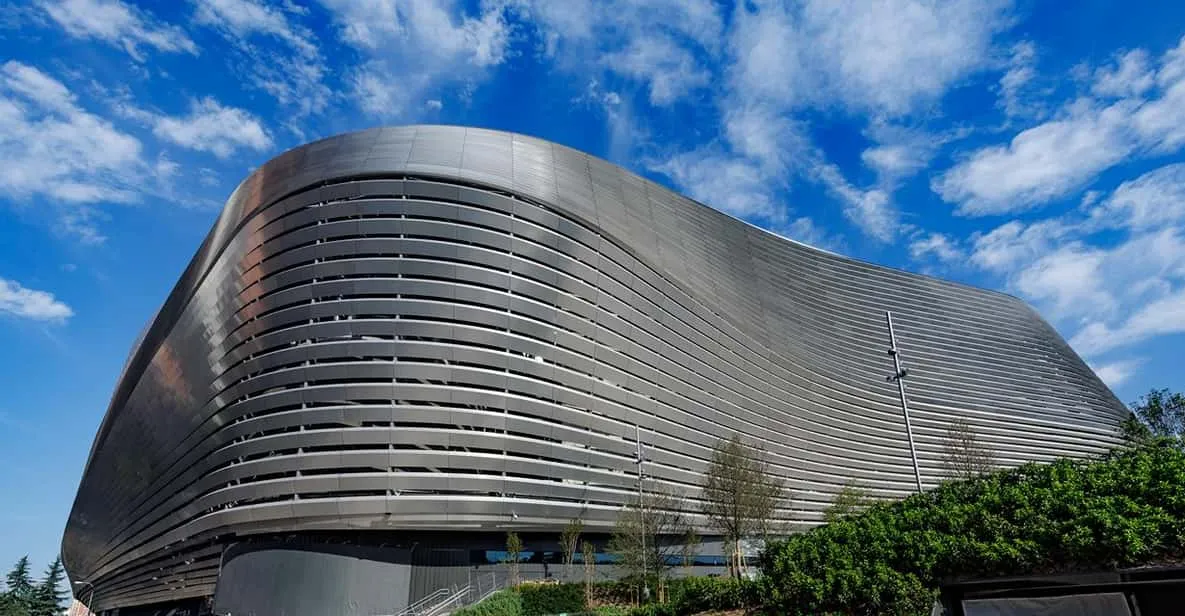
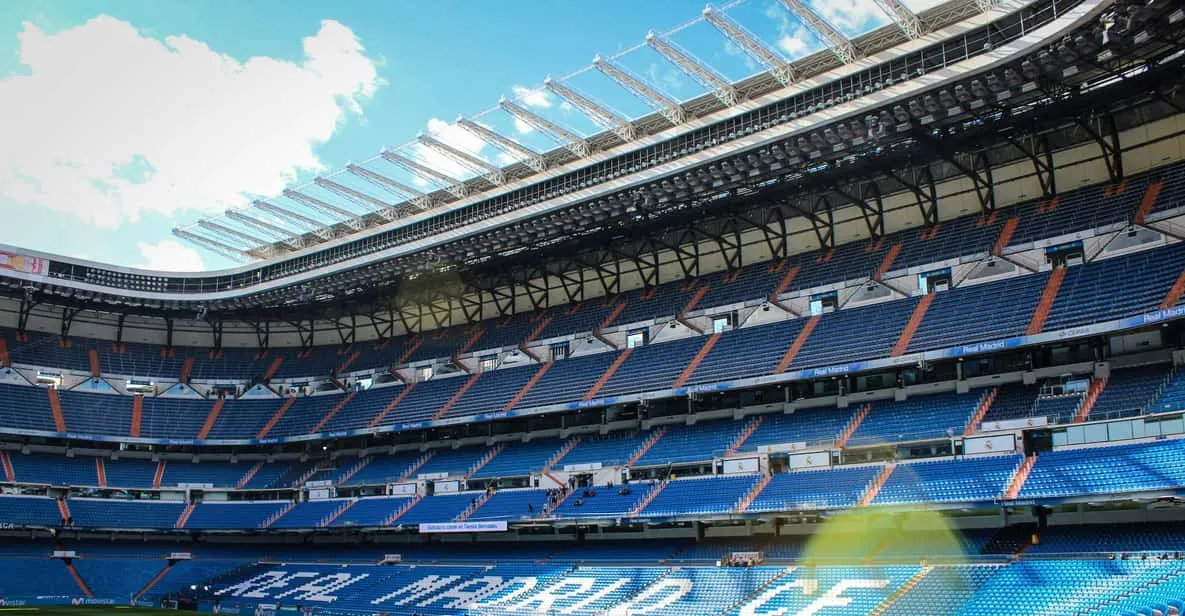
Madrid holds one of the great concentrations of art in Europe, and almost all of it sits on a single kilometre of one boulevard. The Paseo del Prado lines up the Prado, the Reina Sofía and the Thyssen-Bornemisza close enough to walk between in minutes, and together they are known as the Golden Triangle of Art. Between them they cover Western painting from the medieval panel to Pop Art, and they are the reason most people come. But the museums in Madrid run far wider than three buildings, from the largest royal palace in Western Europe to the trophy room at the Bernabéu, from the Iberian Lady of Elche to Europe's first video game museum.
This guide sorts the museums in Madrid, Spain into nine themes so you can pick by what you actually want to see rather than working down a list. Each section covers where a museum sits, when it opens, what a ticket costs, what is genuinely worth finding inside, and the tickets and tours worth booking ahead. Two things to know before you plan anything else. Madrid's museums have generous free-entry windows, usually the last two hours of the day, and knowing them can save a family a small fortune. And the Reina Sofía closes on Tuesdays while the Prado stays open all week, so the order you visit the Golden Triangle in matters more than it looks.
Hours, prices and closing days on this page were last checked in July 2026. Madrid's museums adjust their schedules for exhibitions and public holidays, so confirm on the official site before a special trip.
The Prado Museum: The Most Famous Museum in Madrid
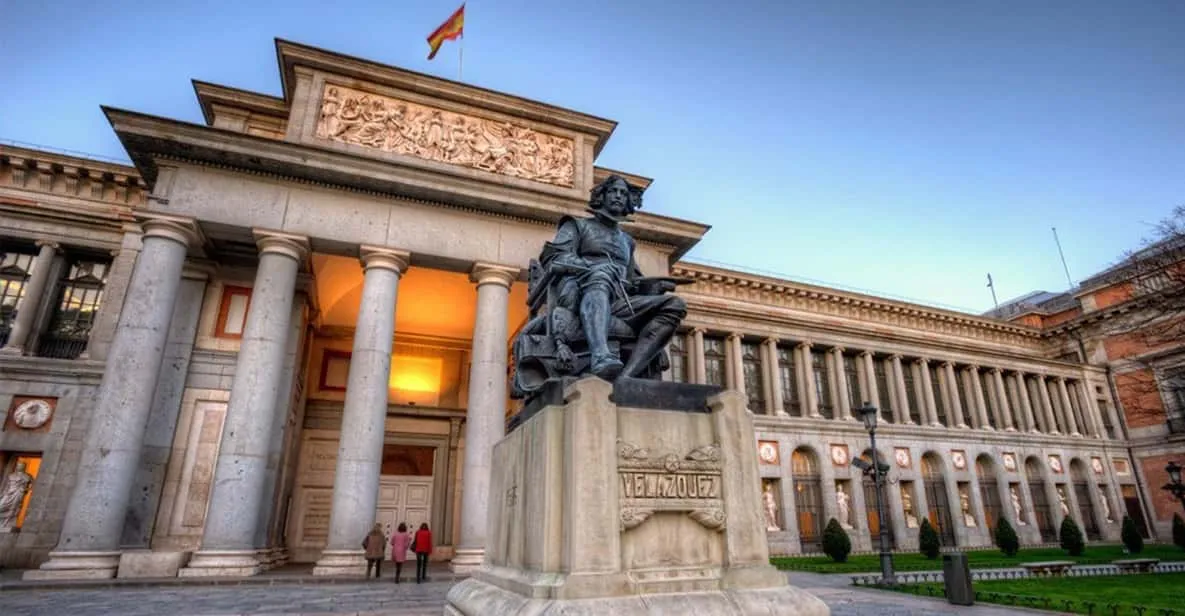
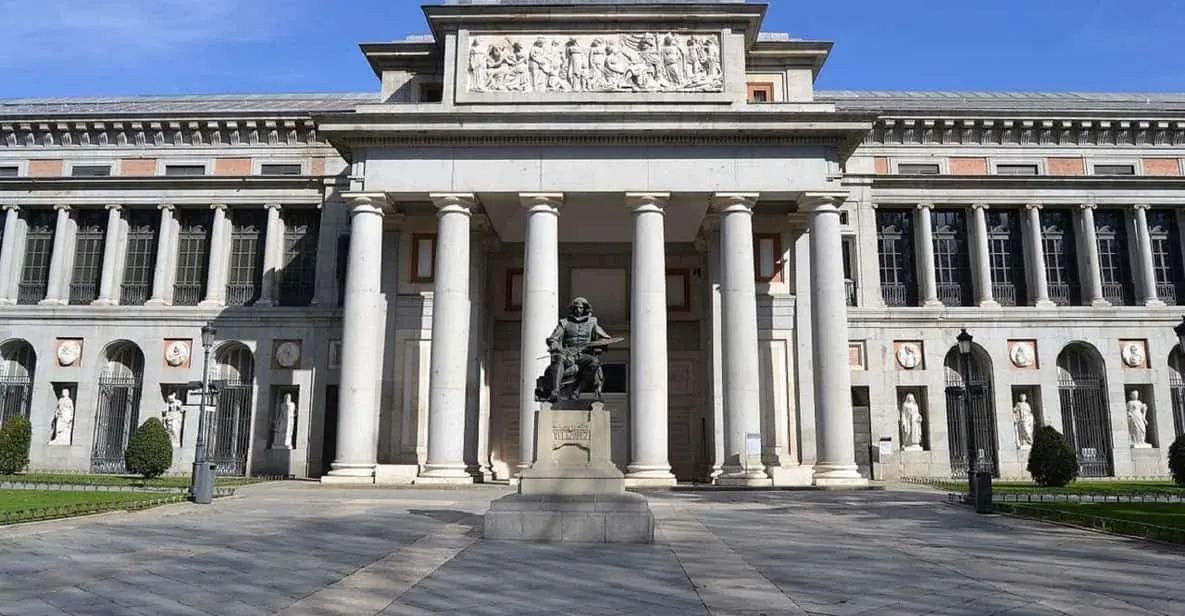
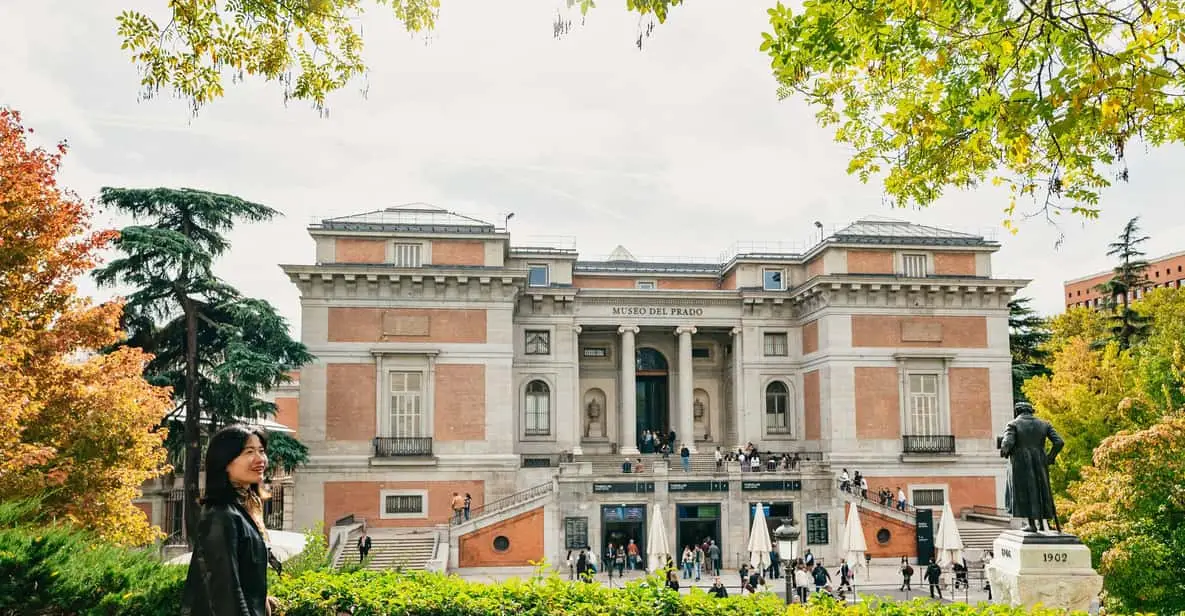
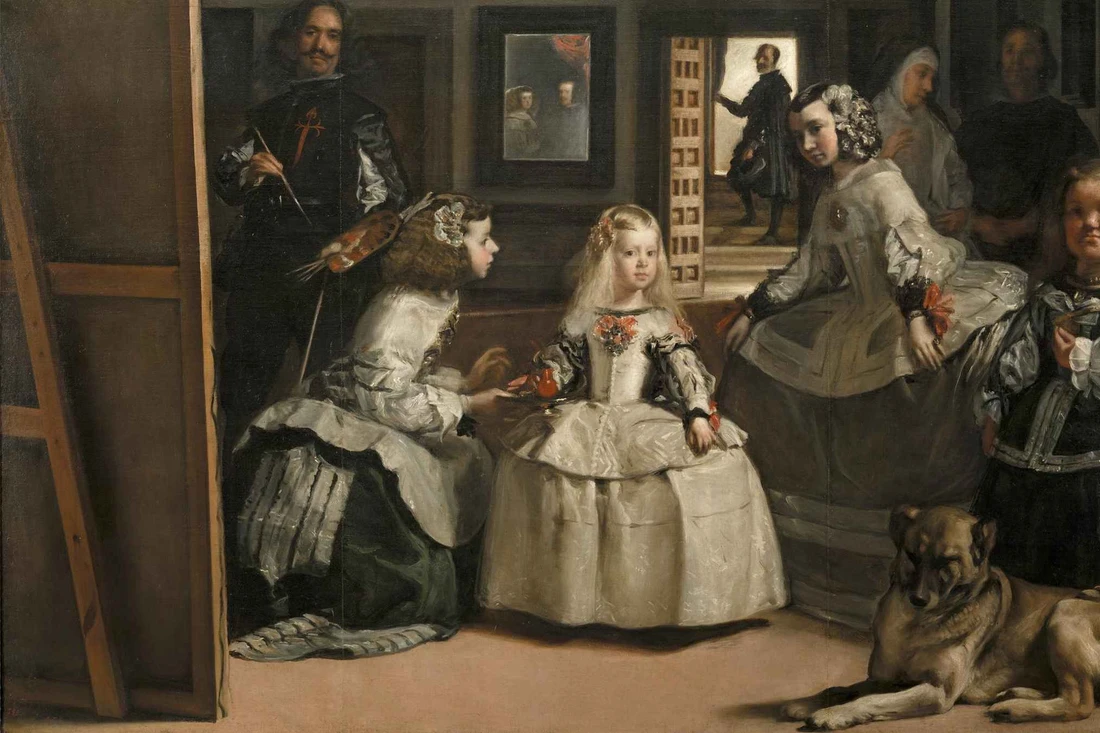
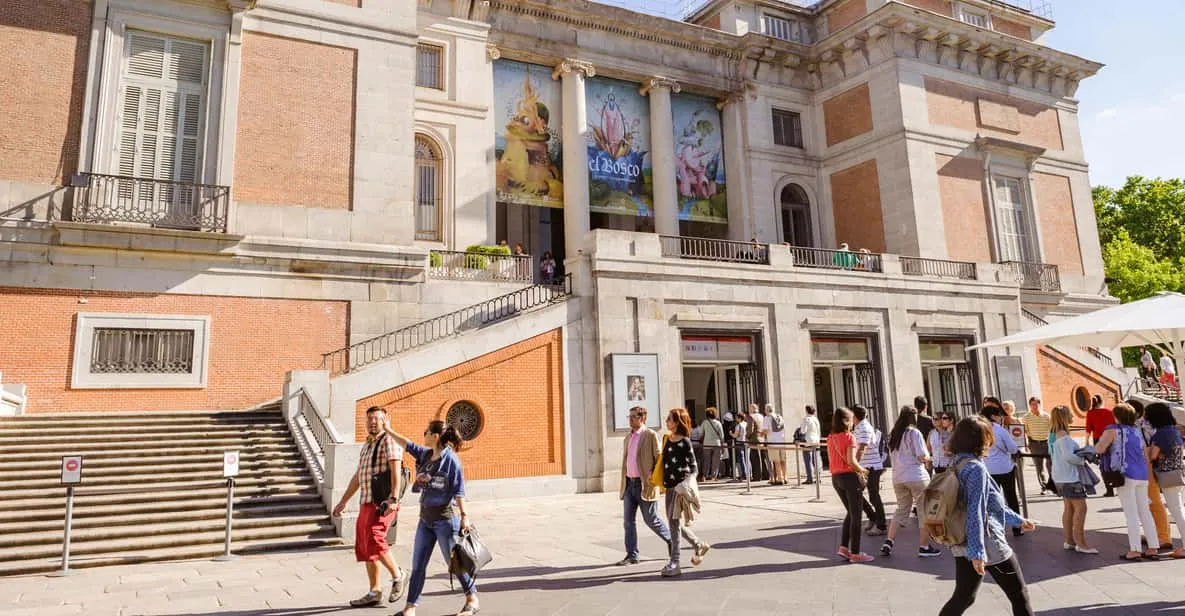
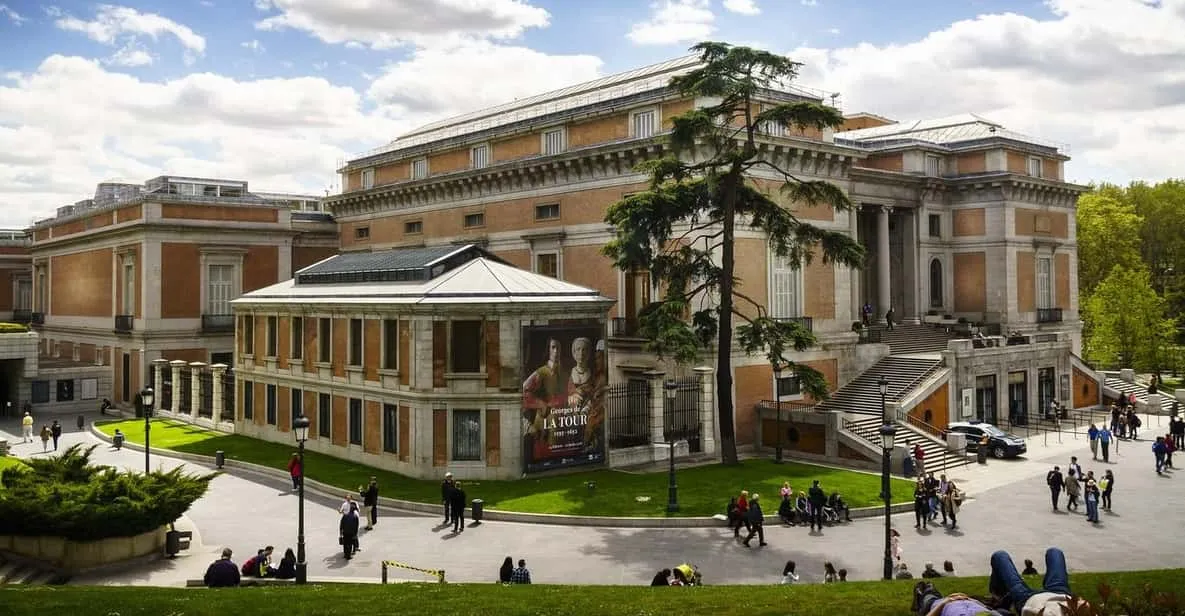
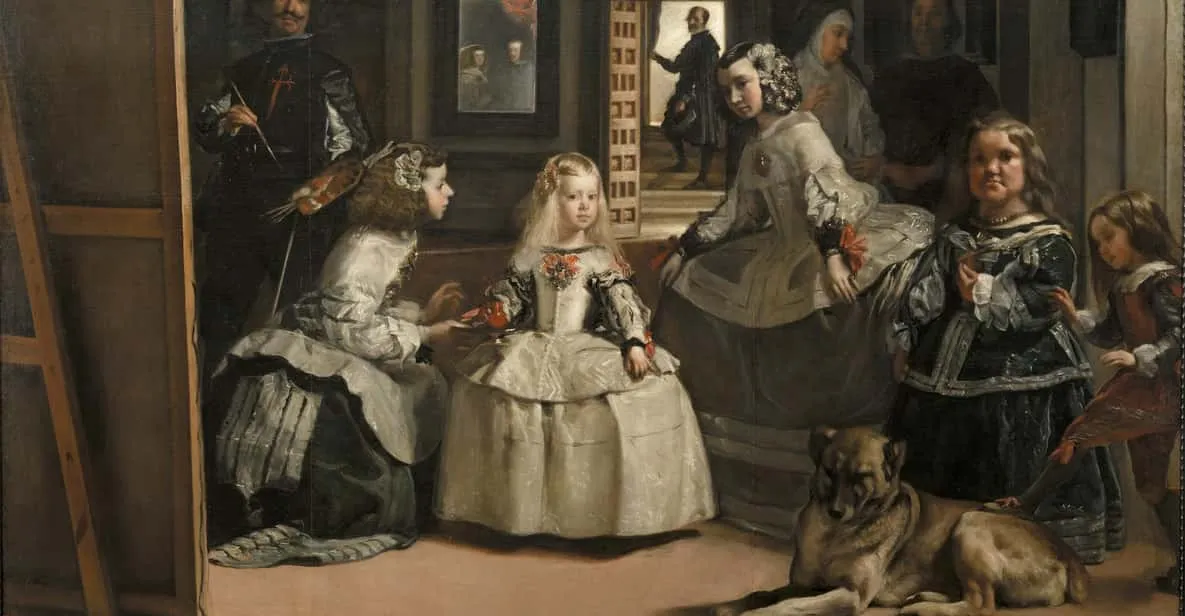
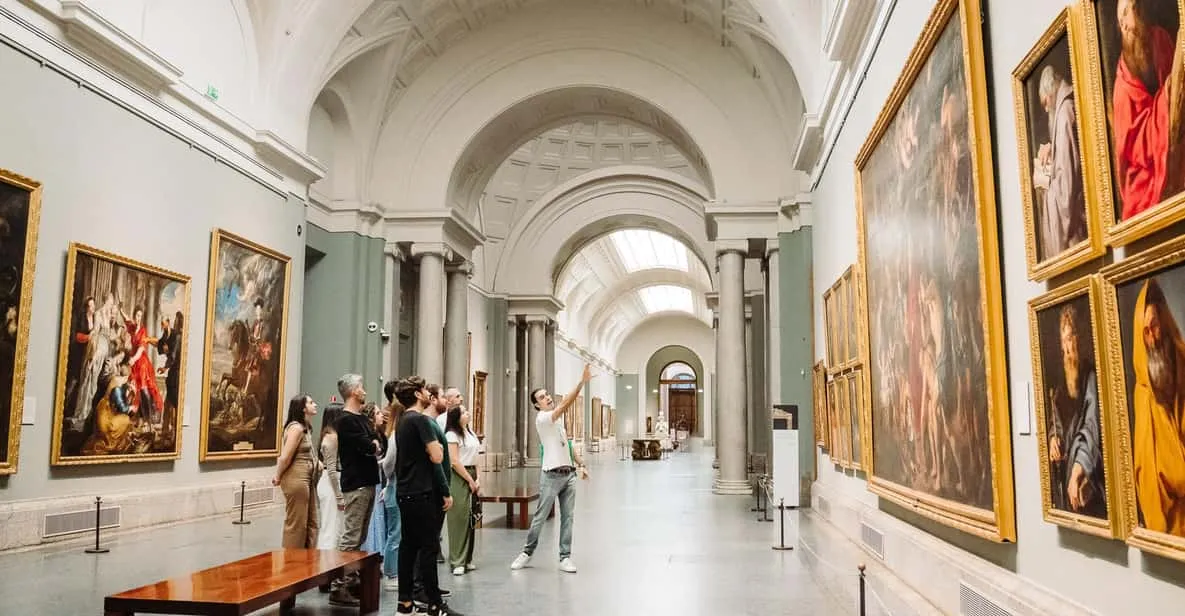
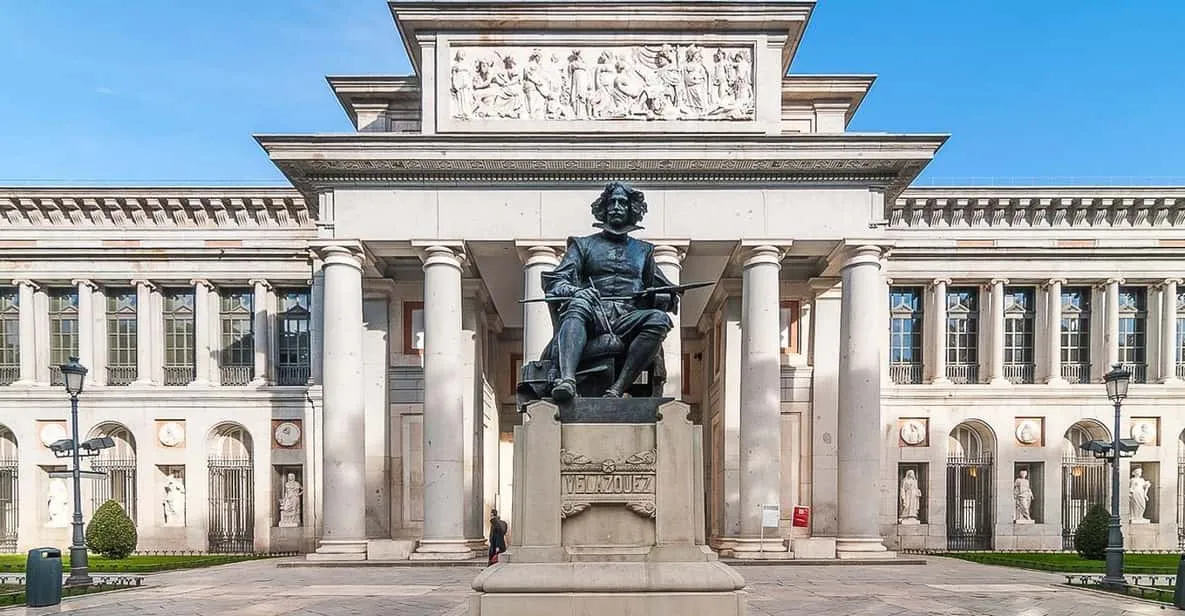
The Prado Museum in Madrid opened in 1819 to show the Spanish royal collection, and two centuries later it is still the reason most people come. It is the most famous art museum in Madrid, and for many the one famous museum in Madrid, Spain worth the trip on its own. Juan de Villanueva's long neoclassical building on the Paseo del Prado holds the deepest collection of Spanish painting anywhere, hung on the deep-red walls the museum has kept since the nineteenth century. Velázquez's Las Meninas is here, and the room in front of it is the busiest few square metres in the city; so are Goya's two Majas, his Third of May 1808 and the Black Paintings he pulled off the walls of his own house. Bosch's Garden of Earthly Delights, El Greco, Titian, Rubens and Caravaggio fill the rooms around them.
It is the most prominent art museum in Madrid, Spain by any measure, and unlike its neighbours it stays open every day of the week. Give it three hours honestly done. The best hours are the first thing in the morning or the free evening window from six, though the free slot fills quickly and the galleries around Las Meninas can be shoulder to shoulder.
The Reina Sofía: The Museum in Madrid With Guernica
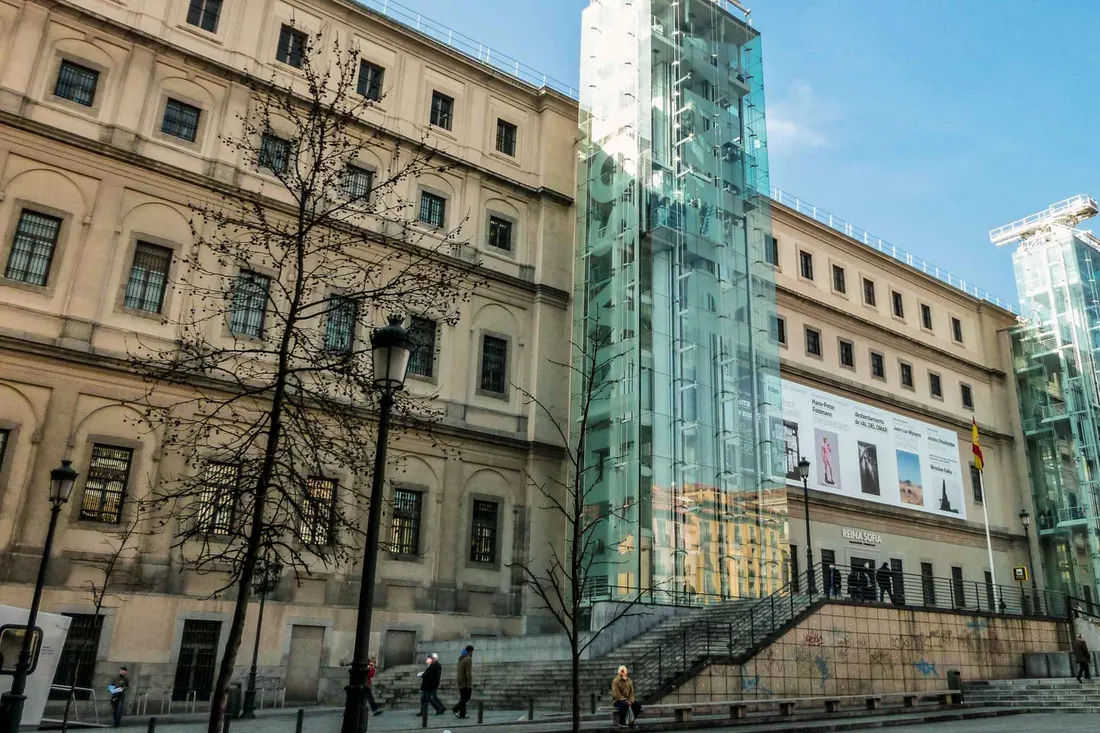
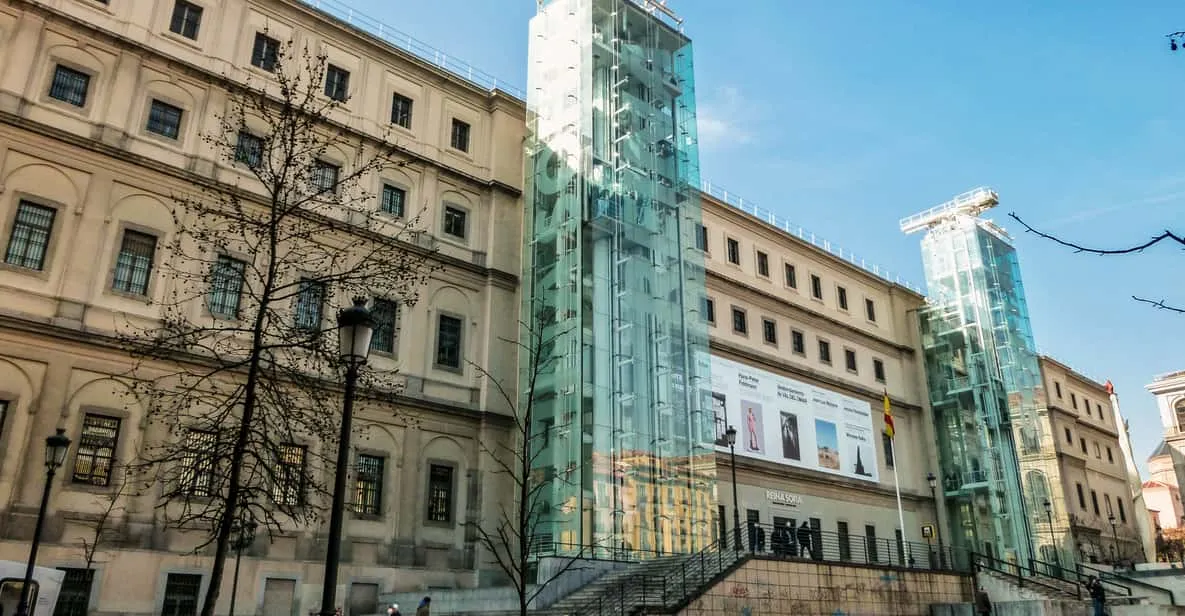
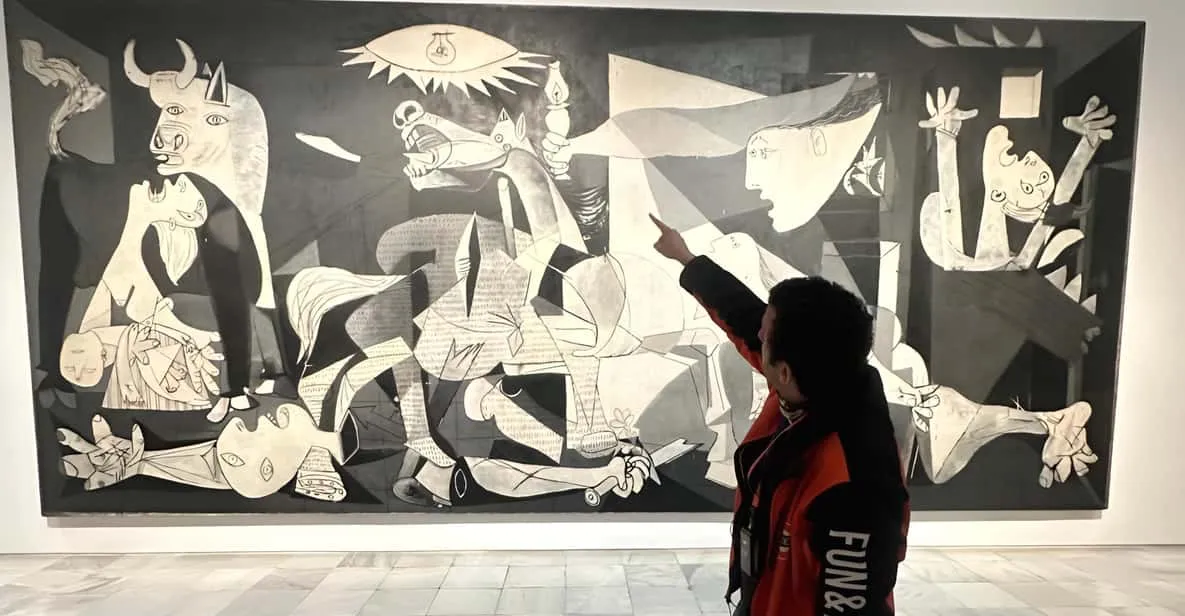
If the Prado is where Spanish painting ends, the Reina Sofía Museum in Madrid is where it begins again. Spain's national museum in Madrid for twentieth-century art fills a converted eighteenth-century hospital by Atocha station, with a Jean Nouvel extension and three glowing glass lifts bolted to the old facade. It is built around one painting: Picasso's Guernica, his vast grey response to the bombing of a Basque town in 1937, which hung in New York for decades and only came to Spain after Franco was dead and democracy restored. The room around it is always full, and photographs of it are not allowed.
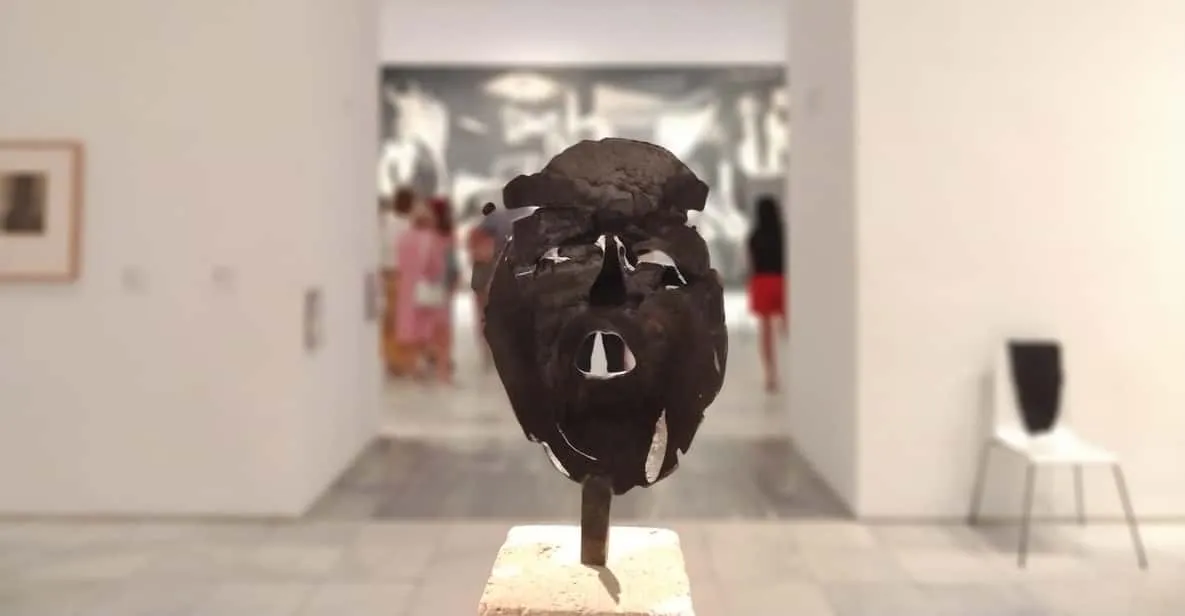
But the museum in Madrid, Spain that everyone visits for Guernica keeps far more than one picture. The sketches Picasso made on the way to it hang in the same room. There are major halls of Dalí — the Great Masturbator, Girl at the Window — and of Miró and Juan Gris, making this the modern art museum in Madrid and the contemporary art museum in Madrid in one building. There is no separate Picasso museum in Madrid; the museum in Madrid with Picasso is this one. It closes on Tuesdays, which is the single most common trip-planning error in the city.
The Thyssen-Bornemisza: 700 Years in One Art Museum in Madrid
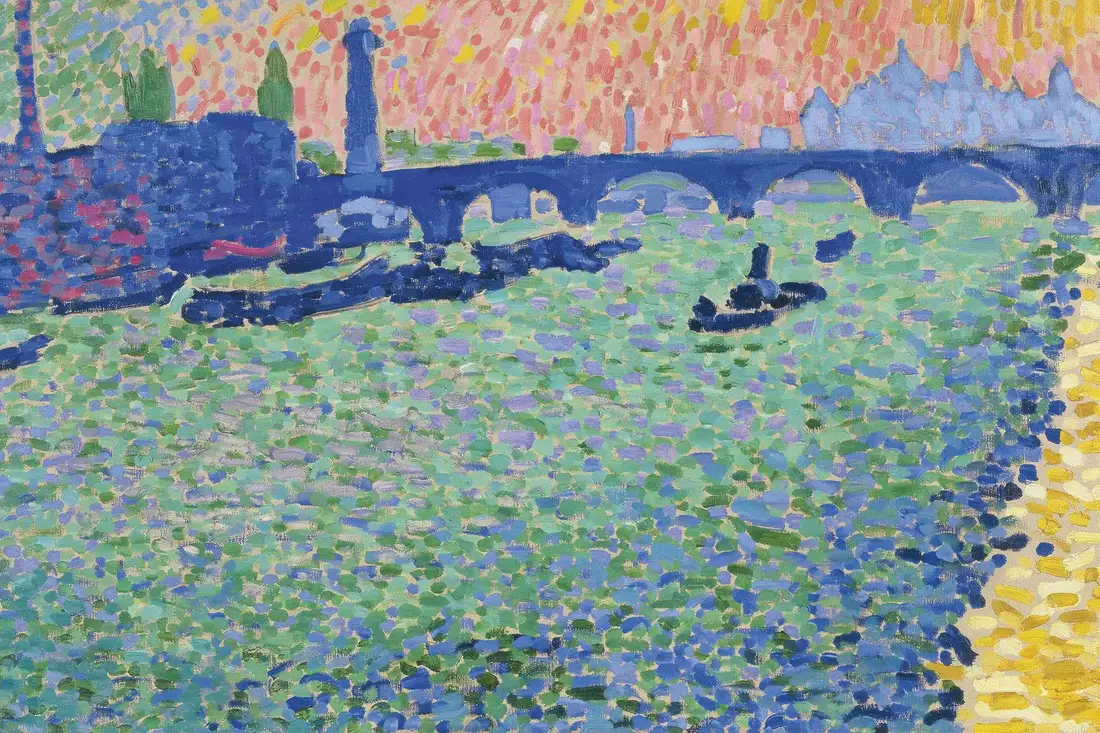
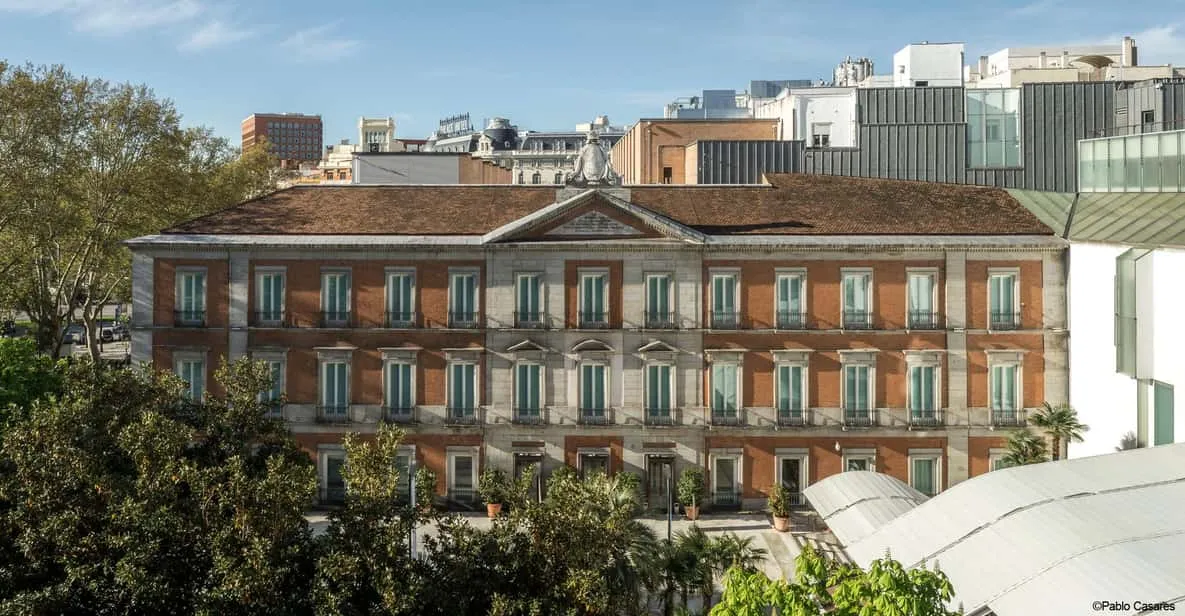
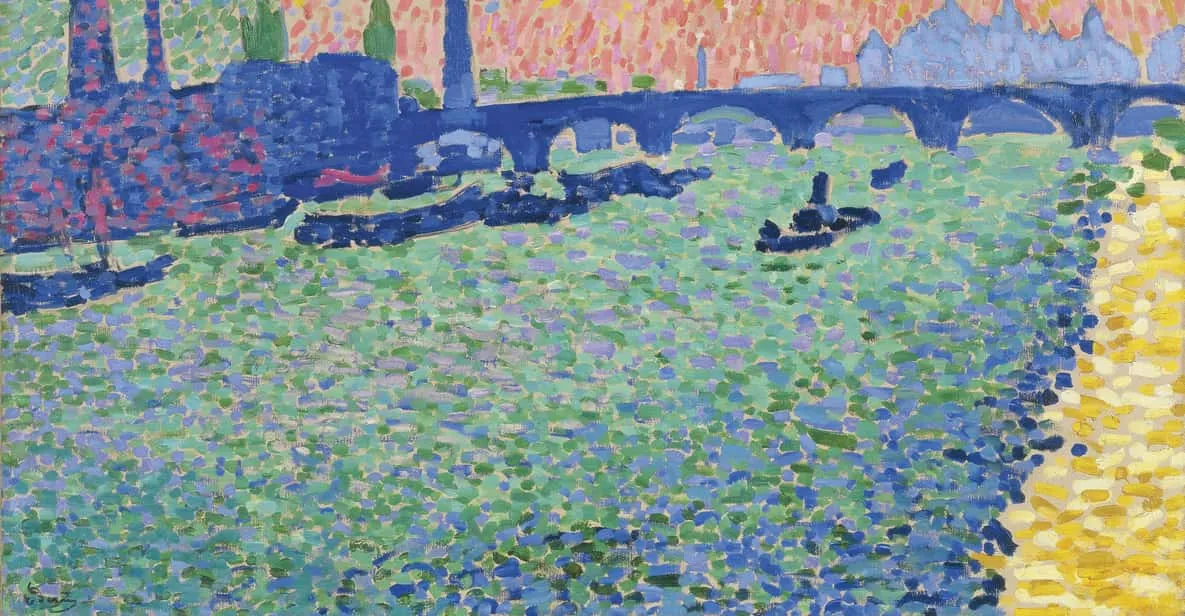
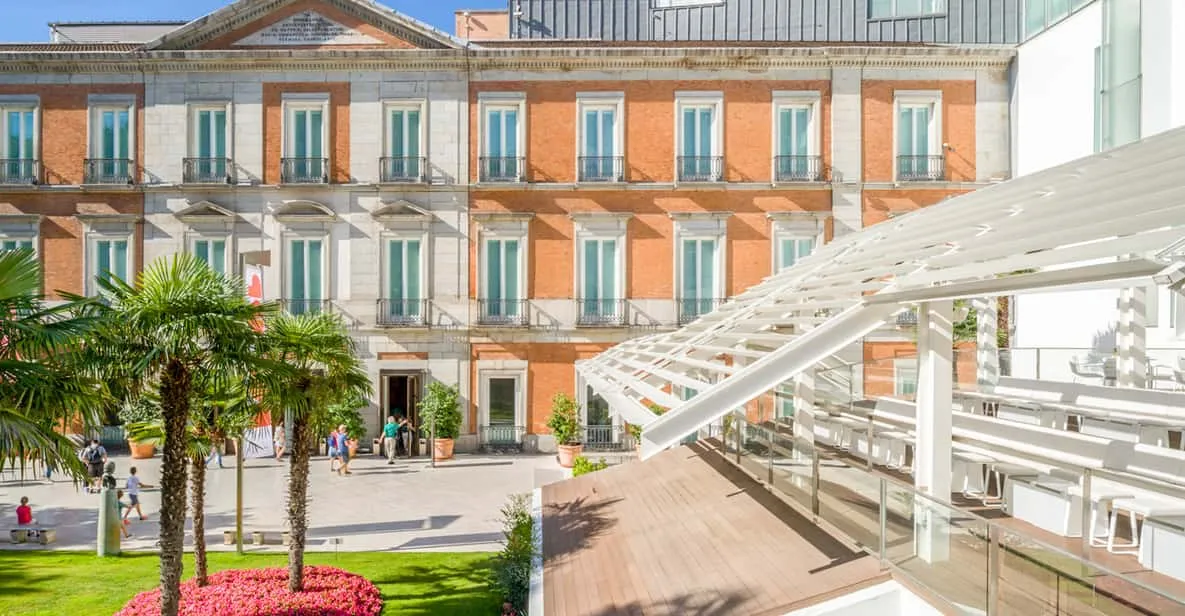
The Thyssen Museum in Madrid is the third point of the Golden Triangle, the one people underestimate, and the one that completes the other two. The Thyssen-Bornemisza is a private collection — two generations of a German-Hungarian industrial family bought it, Spain acquired it in 1993, and it fills the Palacio de Villahermosa on the Paseo del Prado. The point of it is coverage: where the Prado stops at the old masters and the Reina Sofía starts at the twentieth century, the Thyssen runs unbroken from a thirteenth-century gold-ground panel to Pop Art, and fills every school the royal collection never bothered with.
Start at the top and walk down and you get the whole history of Western painting in one afternoon: early Italians and Van Eyck, then Holbein and the Dutch, then a floor of Impressionists and Expressionists the Prado simply does not have, and finally Hopper, Rothko and Lichtenstein. It is a calmer, more manageable art museum than its neighbours, and together the three make the finest cluster of art museums in Madrid, Spain. Best of all, it is free the whole of Monday afternoon, exactly when the Prado is at its worst.
Royal Madrid: The Palace & Its Museums
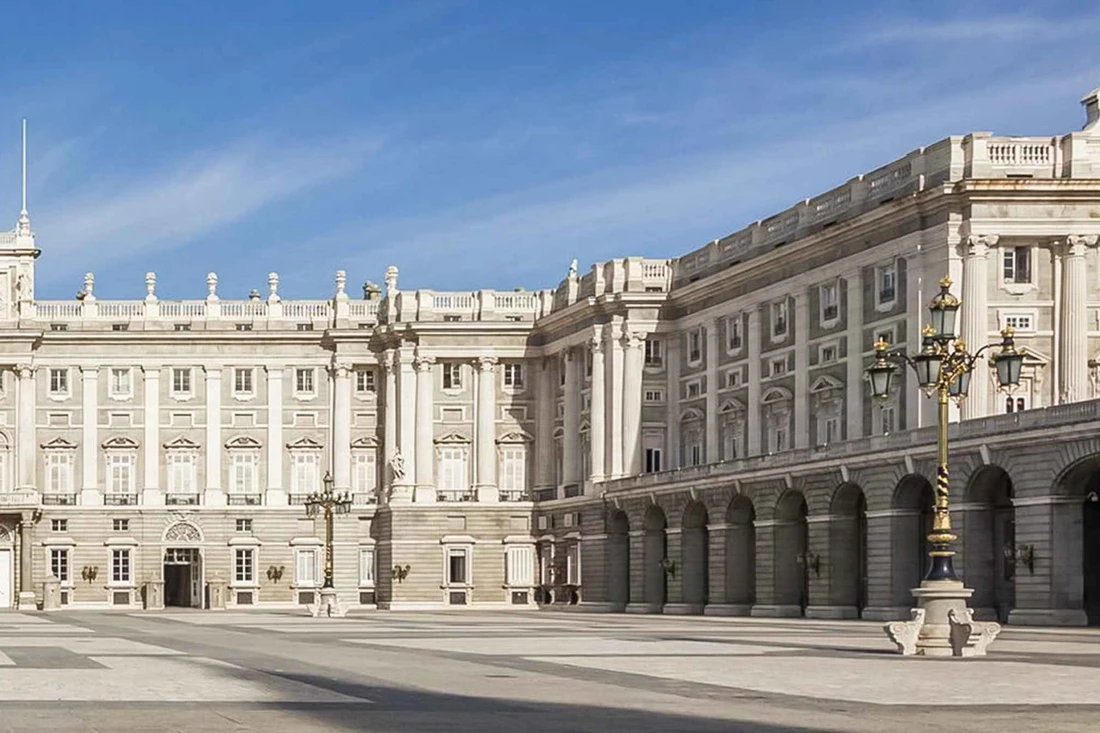
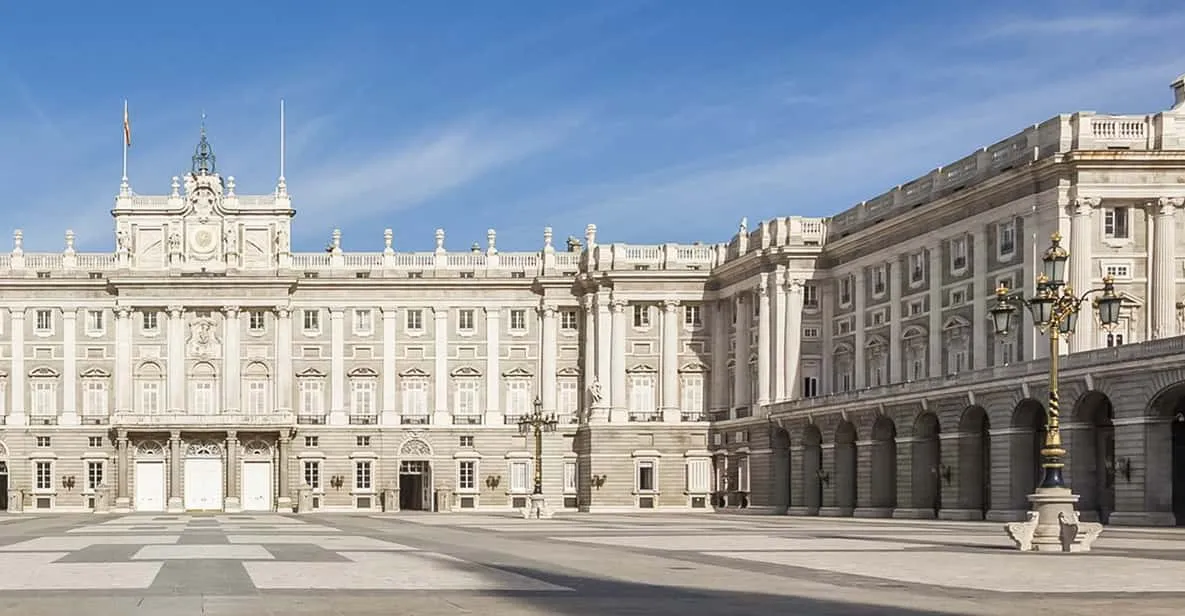
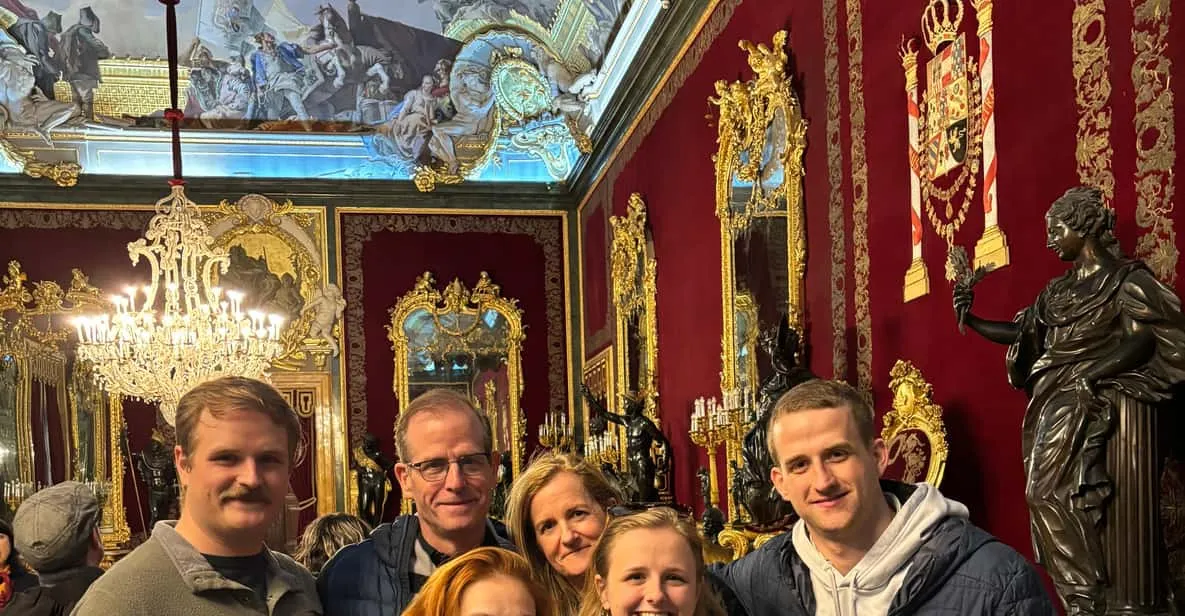
The Spanish crown's old Alcázar burned to the ground on Christmas Eve 1734, and Philip V replaced it with something deliberately enormous. The Royal Palace of Madrid is the largest working royal palace in Western Europe by floor area, over 3,000 rooms of which a fraction are open, and the ones you walk through are a catalogue of eighteenth-century excess: the Throne Room under a Tiepolo ceiling, the Gasparini Room with its swirling silk and stucco, the Royal Armoury with the parade armour of emperors, and a Stradivarius quartet the crown still owns. The royal family no longer lives here, so it functions as a museum and a state-occasion venue both.
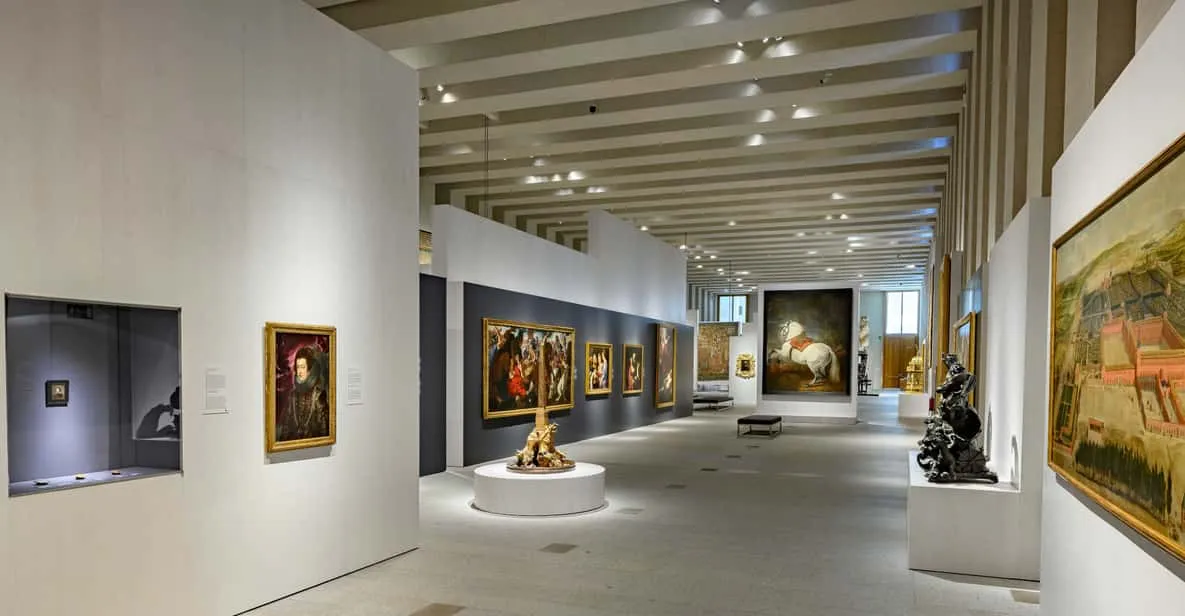
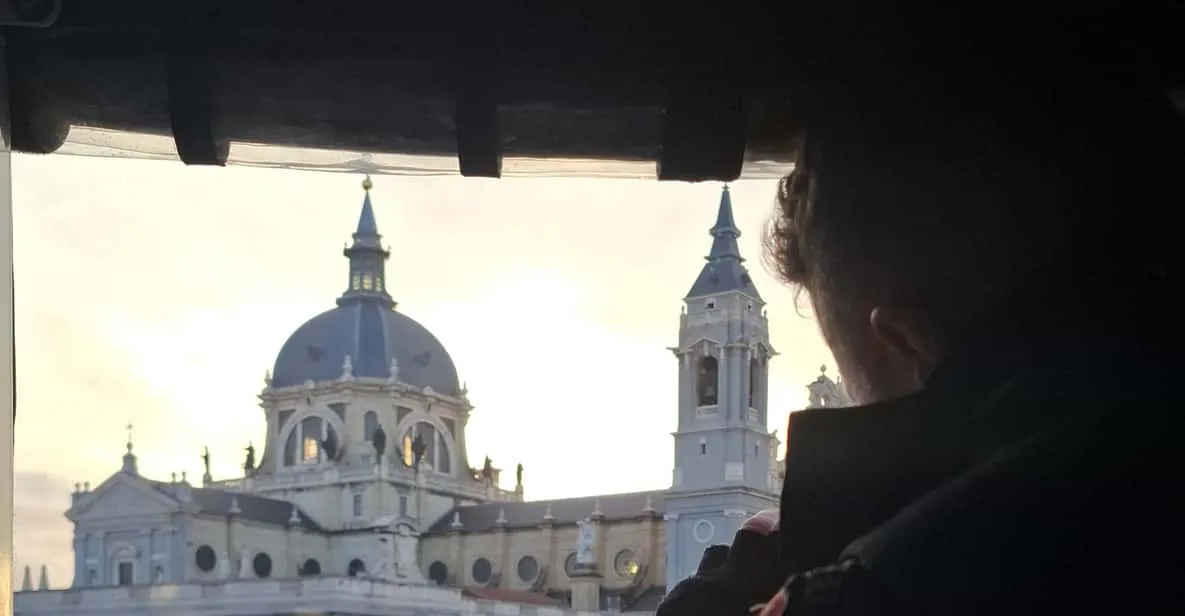
Right beside it, opened in 2023, is the newest major museum in the city. The Royal Collections Gallery is a vast stone hall built into the hillside below the palace and the cathedral, showing the finest of what the crown has hoarded for five centuries: tapestries, state carriages, and paintings by Velázquez, Caravaggio and Goya that were previously locked in store. Between the two you can spend a full morning on the royal history of Madrid without leaving the Plaza de la Almudena.
History & Antiquity: The National Archaeological Museum in Madrid
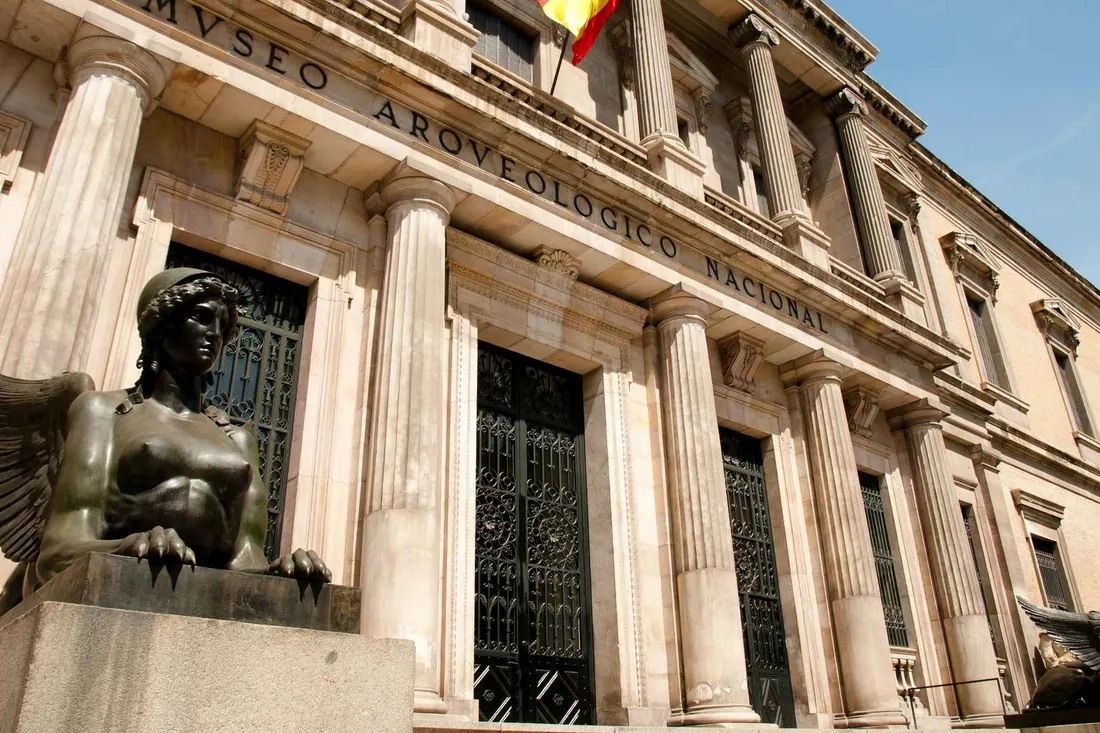
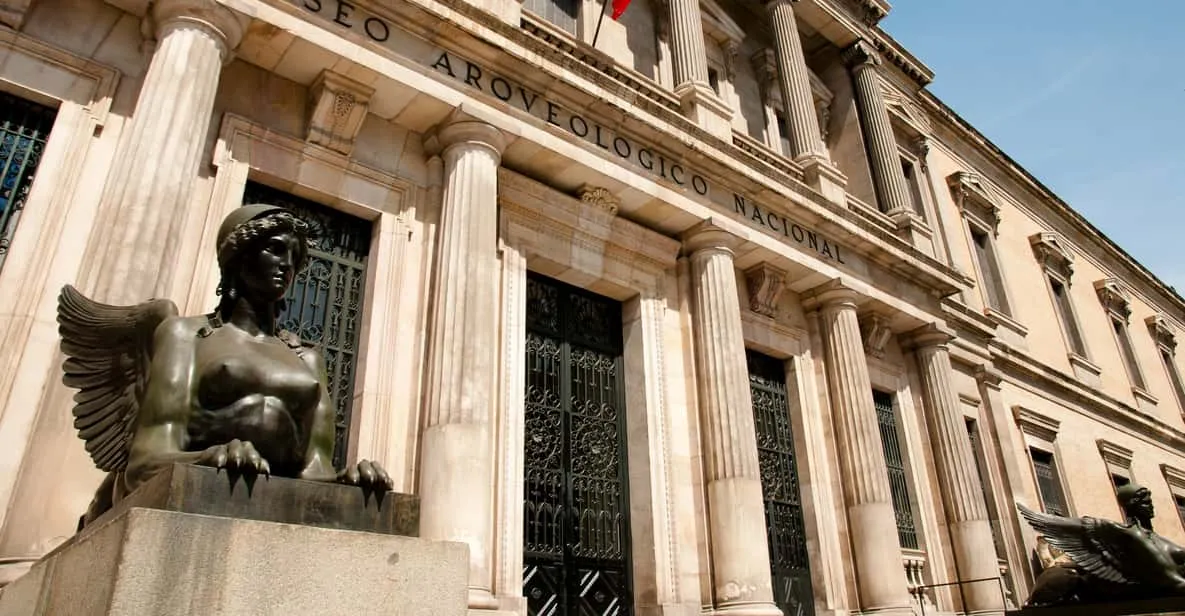
For everything the Golden Triangle does with paint, it says almost nothing about Spain before the Habsburgs — and that is what the national archaeological museum in Madrid is for. The Museo Arqueológico Nacional on Calle Serrano tells the story of the peninsula from prehistory forward, and its single most famous object is the Lady of Elche, a painted stone bust of an Iberian noblewoman from the fourth century BC, her headdress a pair of enormous coiled wheels. The Lady of Baza sits nearby, the Visigothic votive crowns of the Treasure of Guarrazar glitter in a darkened room, and in the courtyard is a full-scale replica of the Altamira cave ceiling, the one you can no longer see in person. Admission is €3, and the galleries are rarely busy.
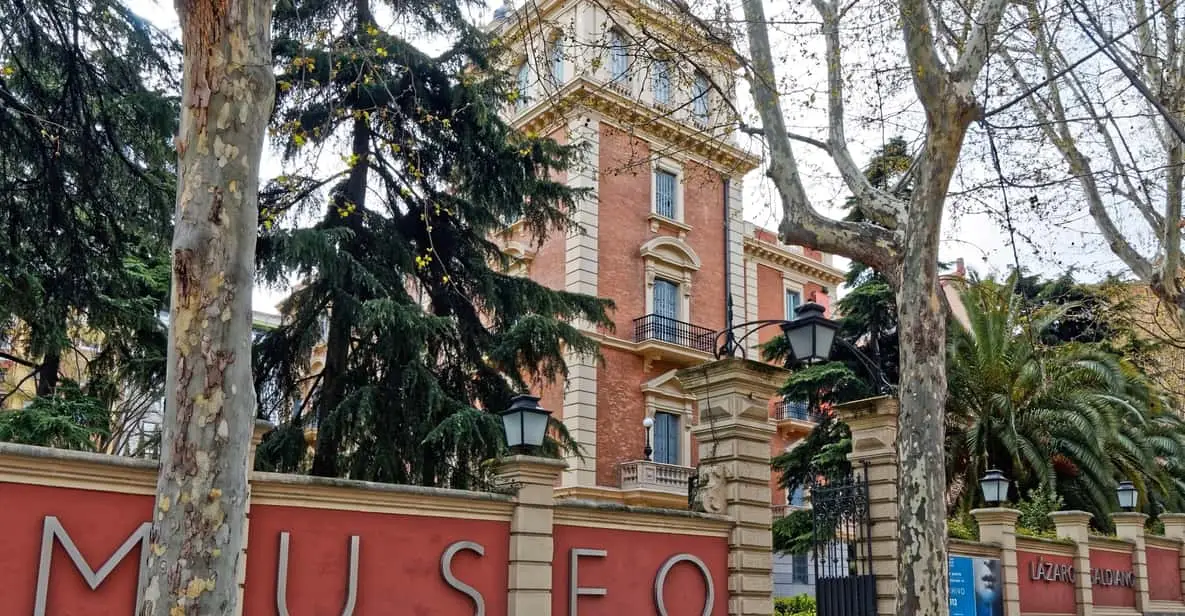
A short way north, the Lázaro Galdiano is the other half of this theme and its opposite in character. José Lázaro Galdiano was a financier and bibliophile who filled his mansion with Goyas, El Grecos, a Bosch, Zurbaráns, medieval enamels and a small panel some still hope is an early Leonardo. He left the whole house to the state, and it is the collector's-mansion museum most first-timers never reach.
Quirky & Immersive Museums in Madrid
Not every museum in Madrid is a national institution, and after a few days of old masters the appetite for something lighter is real. The city has a whole layer of newer, quirkier museums built for a good hour rather than a solemn afternoon. The best-rated of them is the OXO Video Game Museum near Plaza Mayor, Europe's first museum dedicated to games, where the arcade cabinets are switched on and you are meant to play them. The Banksy Museum in Madrid gathers reproductions of the street artist's work into one place, the only way to see it together rather than scattered across walls in a dozen cities.
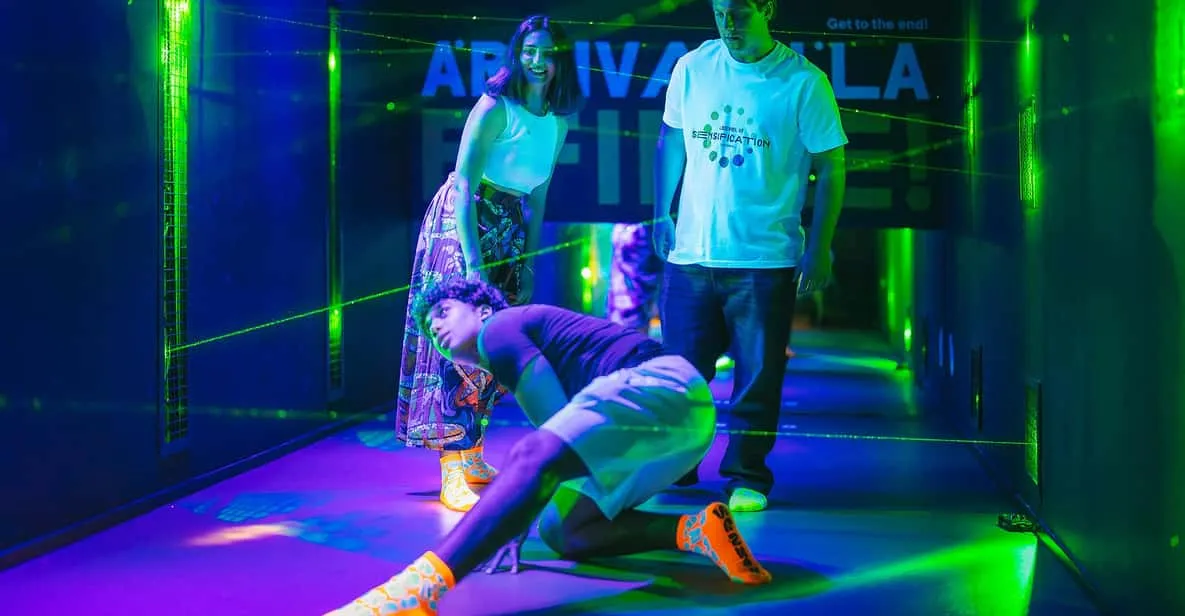
The rest are frankly built for photographs, and none the worse for it with children in tow: the Museum of Illusions with its tilted room and holograms, the walk-through Museum of Senses, the immersive light installations of the Museo de la Luz, and the Happiness Museum's bright interactive rooms. Older and more earnest, the Wax Museum on the Paseo de Recoletos has been modelling Spanish royals, footballers and film stars since 1972. None of these needs advance planning, and most are cheap.
Day Trips from Madrid: Museums Beyond the City
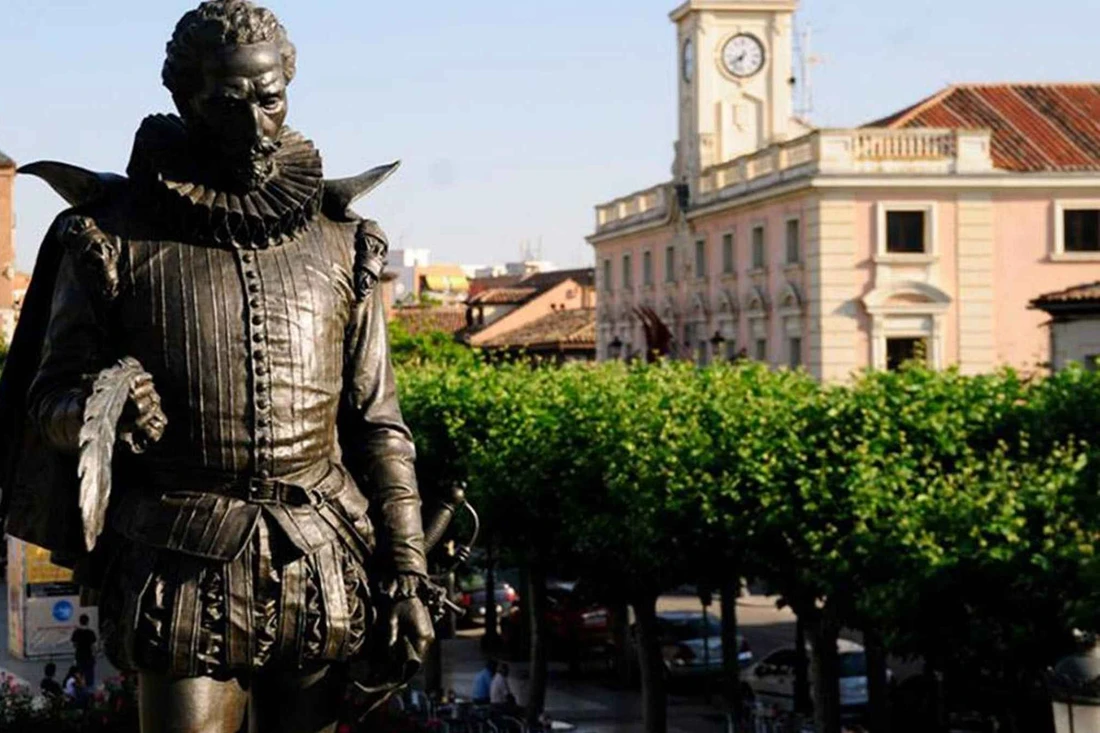
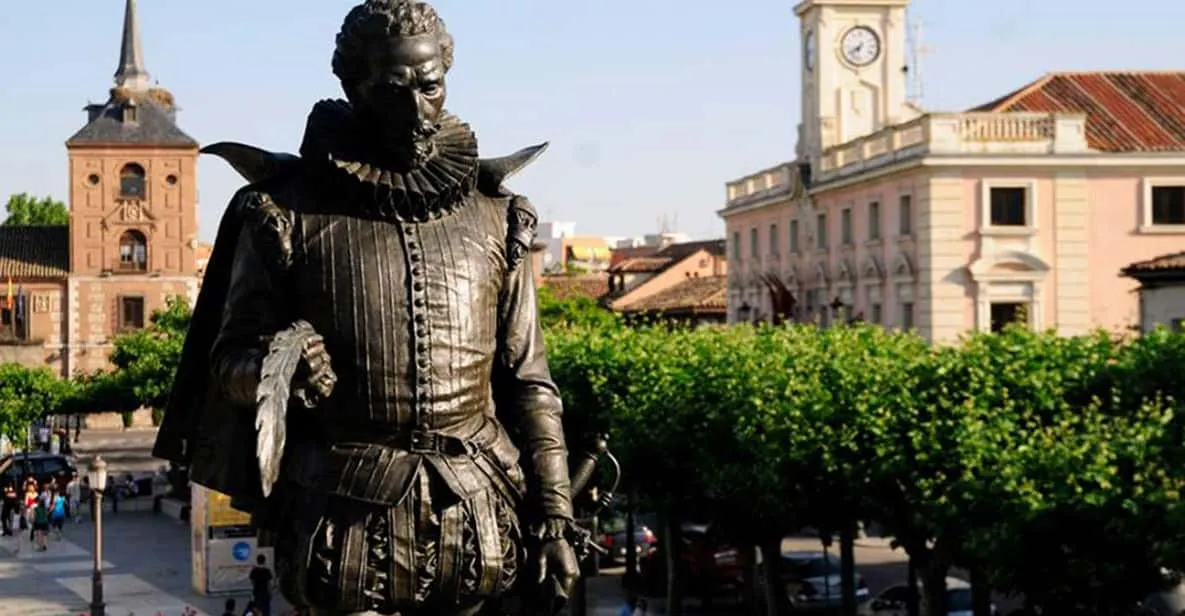
Madrid sits in the middle of Spain, and some of the country's best museum days are a short train ride away. The pick for a first visit is Alcalá de Henares, half an hour east, a UNESCO World Heritage town built around one of Europe's oldest universities. Its reason to go is the Casa Natal de Cervantes, the reconstructed birthplace of the author of Don Quixote, kept as a Golden Age household with the family's rooms, a period kitchen and a bronze Don Quixote and Sancho Panza on the bench outside. The university's Colegio de San Ildefonso, where the Cervantes Prize is still handed out each year, is a few minutes' walk away.
A guided half-day takes the effort out of it, with transport from central Madrid and a guide to set the town and its Golden Age in context. It is an easy escape from the galleries, and it pairs the literary history the city museums touch only lightly with a genuinely lovely old university town.
Beyond the Museums: Bullring, Zoo & Getting Around
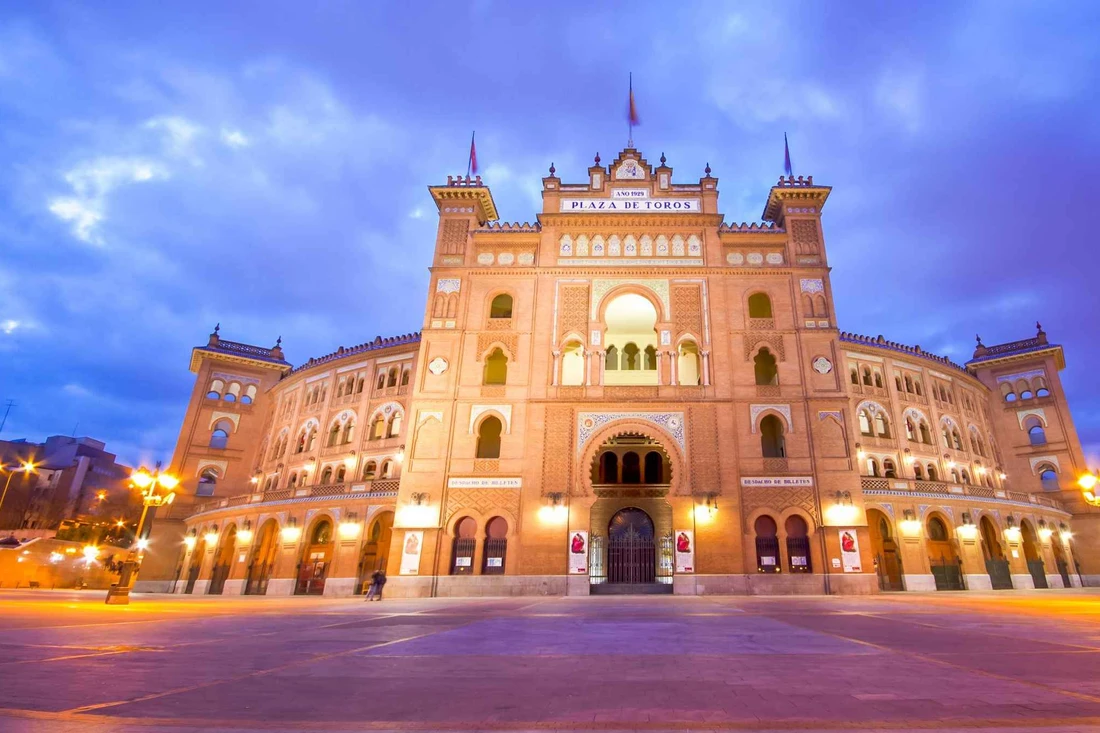
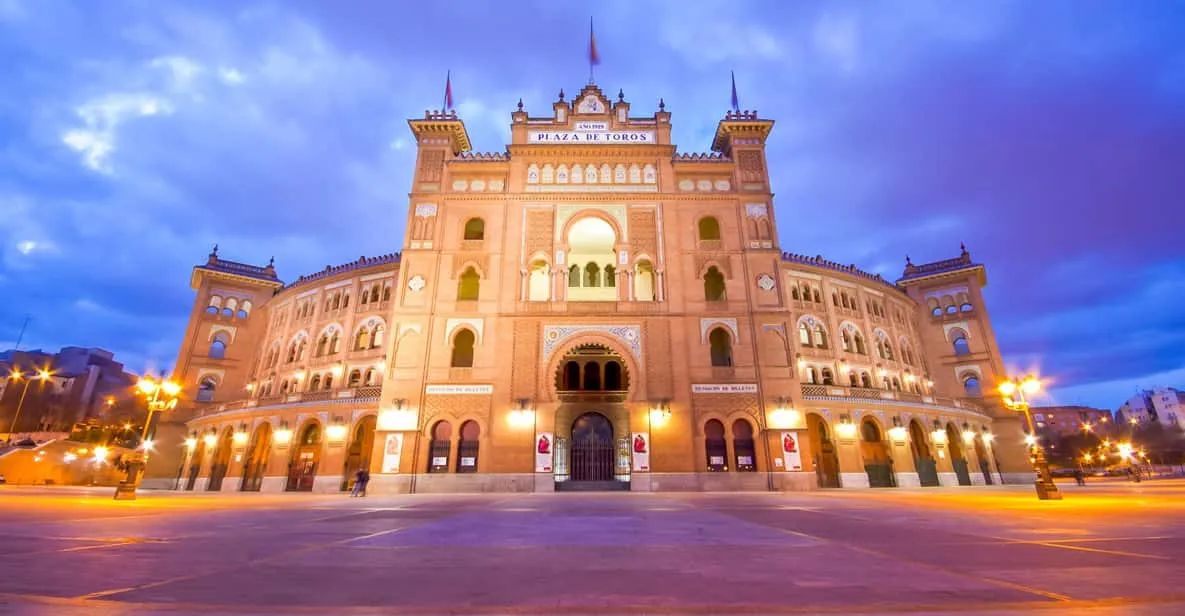
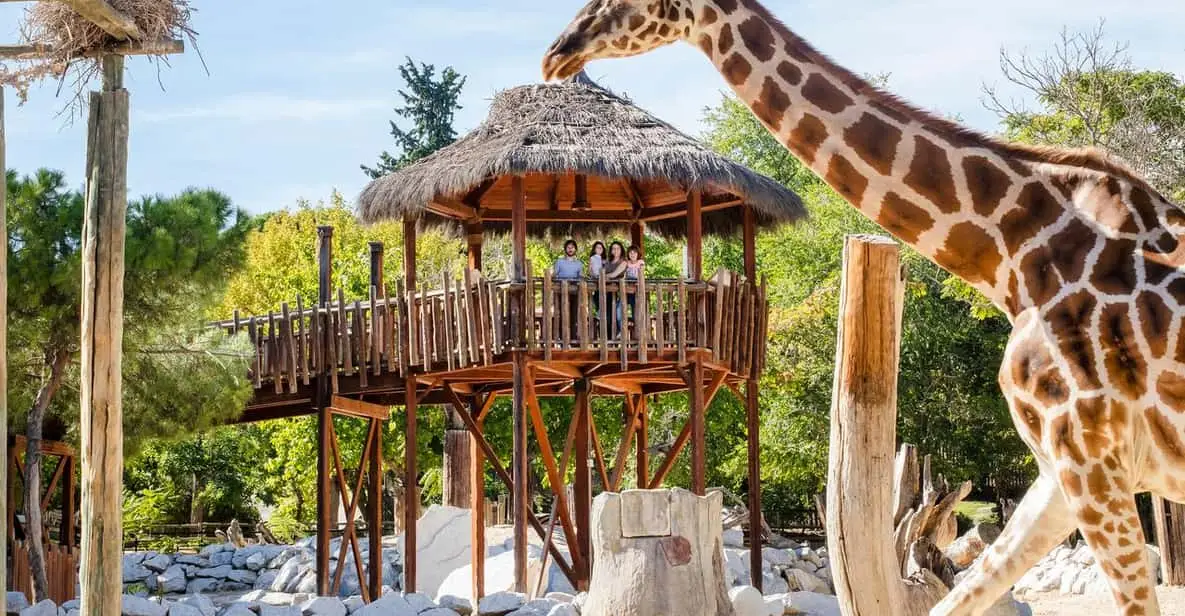
Not everything worth booking in Madrid hangs on a wall, and a museum trip usually has room for a day that is something else entirely. The grandest of these sits at the meeting point of the two: Las Ventas, the great Neo-Mudéjar bullring on Calle de Alcalá, whose tour takes in the arena, the bullfighters' chapel and the Museo Taurino tracing the history of a tradition you do not have to approve of to find fascinating. For families, the Zoo Aquarium in the Casa de Campo is one of the few zoos in Europe with giant pandas, with an aquarium and dolphinarium on the same ticket, and the Atlantis Aquarium and the film-themed Parque Warner sit just outside the city.
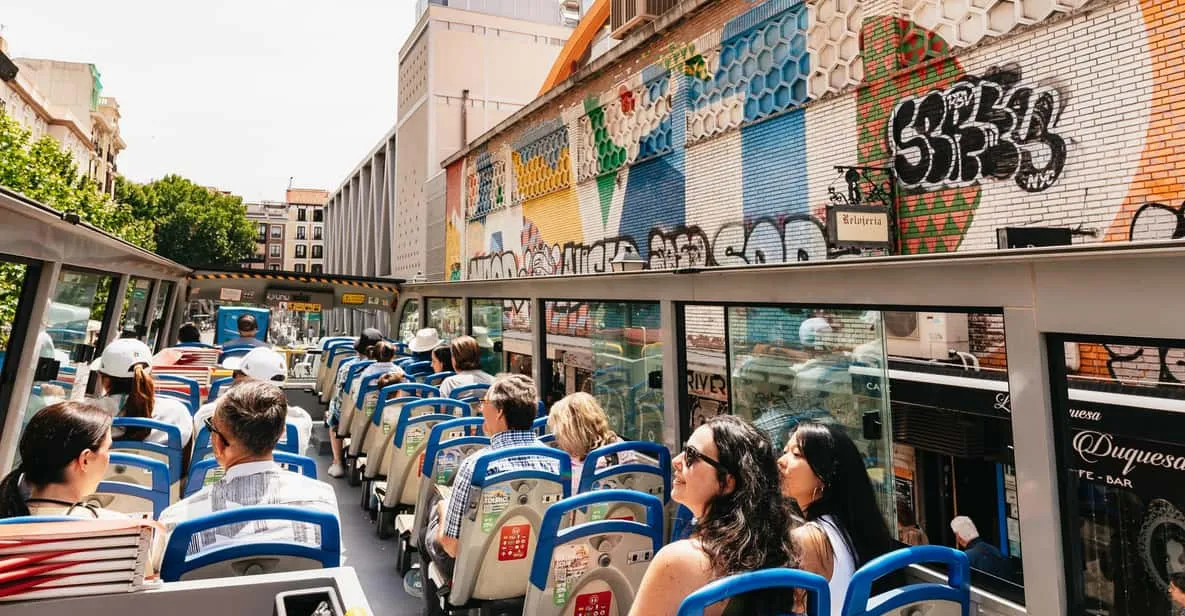
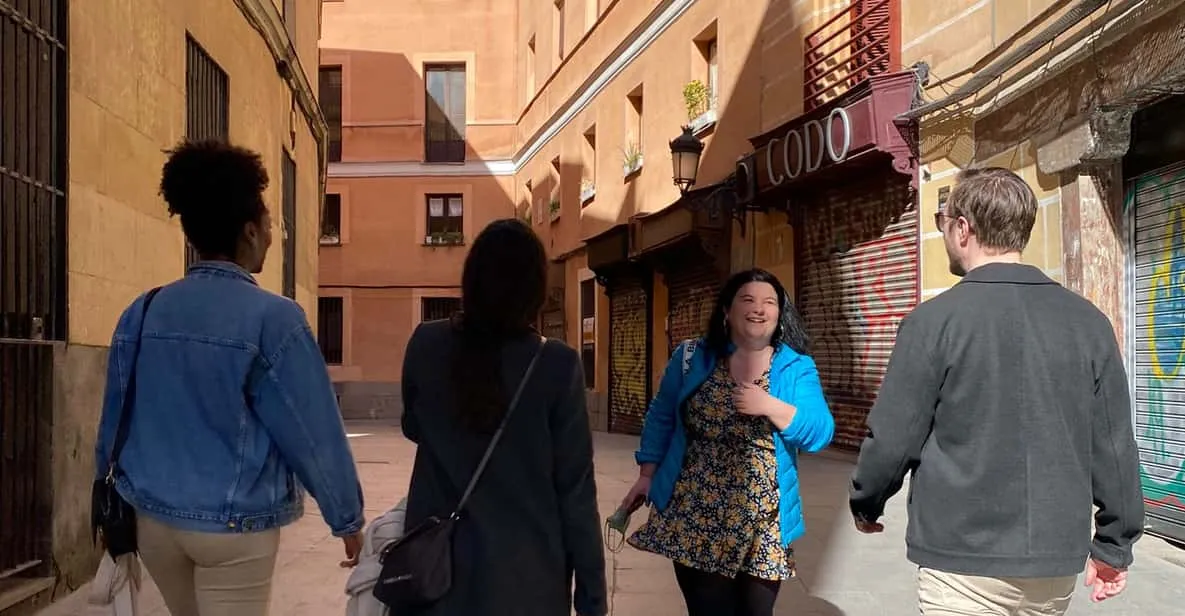
And because the museums in Madrid are more spread out than they first look, the way you move between them matters. The open-top hop-on hop-off bus links the Golden Triangle, the Royal Palace and the main squares on two loops; a private electric tuk-tuk threads the old centre faster than walking; and a highly rated walking tour from Puerta del Sol to Plaza Mayor and the palace is the best way to get your bearings before the galleries.
 from $43